
Ophthalmology and Visual Sciences Research Group
This group is committed to advancing ophthalmology and visual sciences through clinical, educational, and patient‑centered research. It integrates expertise in ophthalmology, urology, surgery, anesthesia, and pharmacology to improve eye health outcomes, strengthen perioperative safety, and address systemic barriers in resource‑limited healthcare systems. The unifying thread is enhancing diagnosis, treatment, and patient awareness of ocular diseases and vision‑related conditions.
- 3 members
- 5 publications

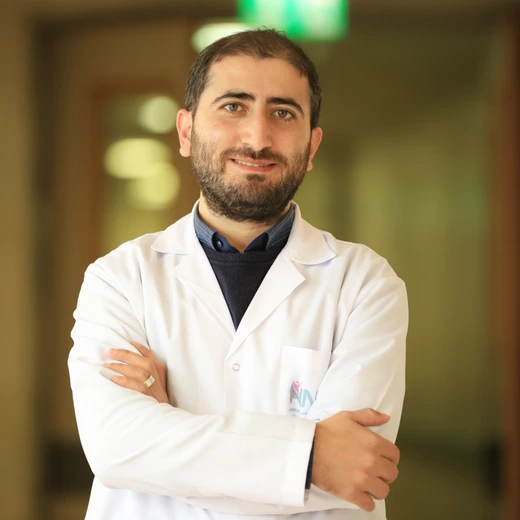
Group Members
3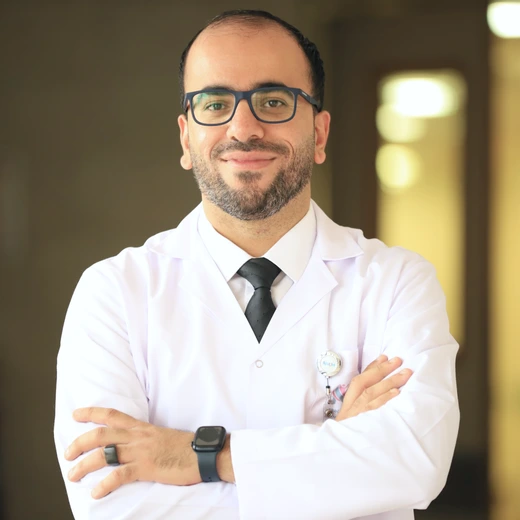

Research Interests
· Ocular disease outcomes
- Corneal health and thickness studies
- Pediatric ophthalmology outcomes (vision screening, refractive errors)
- Diabetic retinopathy and systemic disease links
· Neuro‑ophthalmology
- Migraine‑associated visual disturbances
- Epilepsy and vision‑related complications
- Sleep quality and screen time effects on vision
· Perioperative and anesthesia safety
- Fear of anesthesia in ophthalmic procedures
- Pediatric anesthesia practices in eye surgery
- Medication errors in perioperative ophthalmology
· Education and patient awareness
- Medical student training in ophthalmology
- Patient perceptions of eye care services
- Public awareness of ocular risk factors (smoking, screen time, nutrition)
Ongoing Research
- Assessing prevalence of digital eye strain among university students
- Investigating corneal thickness and endothelial changes in smokers
- Exploring neuro‑ophthalmic symptoms in migraine and epilepsy patients
- Evaluating parental perceptions of pediatric ophthalmic anesthesia
- Measuring patient satisfaction with ophthalmology services
- Comparing outcomes of ophthalmic procedures in resource‑limited hospitals
Publications
5| # | Year | Publication | Link |
|---|---|---|---|
| 1 | 2025 | Alashqar M, Taqatqa S, Ayaseha A, Shanab ARA, Shawahna R. Electronic device exposure and dry eye symptoms among medical and nonmedical Palestinian university students: a multicenter cross-sectional study of associated factors. Article. BMC Ophthalmol. 2025;25(1)436. doi:10.1186/s12886-025-04263-w | DOI |
| 2 | 2021 | Dweikat A, Jarrar A, Akkawi M, Shehadeh M, Aghbar A, Qaddumi J, Akkawi M. Baseline subfoveal choroidal thickness as a predictor for response to short-term intravitreal bevacizumab injections in diabetic macular edema. Article. Clinical Ophthalmology. 2021;15:4175-4180. doi:10.2147/OPTH.S325951 | DOI |
| 3 | 2023 | Shanti Y, Hamayel H, Yasin A, Shanab ARA, Hroub O, Hamdan Z, Shraim M. Epidemiology of Common Ocular Manifestations among Patients on Haemodialysis in West Bank, Palestine. Article. Sultan Qaboos University Medical Journal. 2023;23(1):61-67. doi:10.18295/squmj.4.2022.032 | DOI |
| 4 | 2020 | Sharma R, Akkawi M, Shehadeh M, Aghbar A, Qaddumi J. Anatomical and visual outcomes of scleral buckling surgery in rhegmatogenous retinal detachment. Article. Middle East African Journal of Ophthalmology. 2020;27(2):100-104. doi:10.4103/meajo.MEAJO_94_18 | DOI |
| 5 | 2018 | Shehadeh MM, Akkawi MT, Aghbar AA, Musmar MT, Khabbas MN, Kharouf MF, Al-Labadi L. Outcomes of wavefront-optimized laser-assisted In-Situ keratomileusis and photorefractive keratectomy for correction of myopia and myopic astigmatism over one year follow-up. Article. Open Ophthalmology Journal. 2018;12(1):256-263. doi:10.2174/1874364101812010256 | DOI |
Contact Us
Dr. Abdul Raheem Abu Shanab
Ophthalmologist
Email: [email protected]