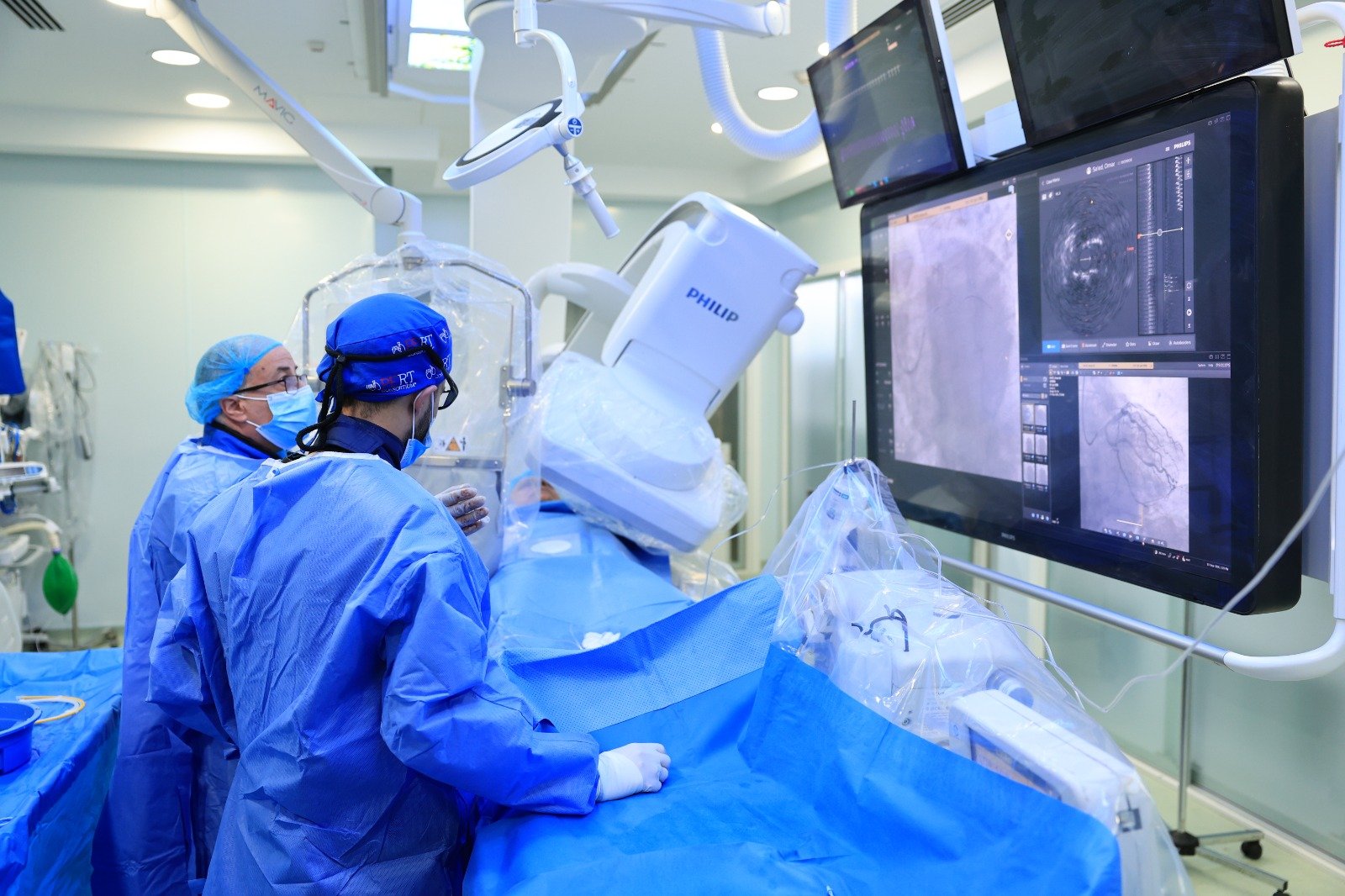
The Interventional Radiology Department at An-Najah National University Hospital provides advanced diagnostic and therapeutic services using image-guided procedures and modern medical imaging technologies, including X-ray, fluoroscopy, computed tomography (CT), ultrasound, and other imaging modalities selected according to each patient's condition.
The department specializes in performing precise interventions through small skin or vascular access sites, typically measuring 1–2 mm, to diagnose and treat diseases while reducing the need for open surgery whenever medically appropriate.
Interventional radiologists work as clinical physicians within multidisciplinary teams. Their role extends from evaluating patients and reviewing previous examinations and imaging studies to selecting the most appropriate procedure, discussing its benefits, risks, and alternatives, and providing post-procedure care and follow-up. This approach enables precise, targeted treatment, with a focus on patient safety, quality of care, and continuity of care.
Why Interventional Radiology?
Interventional radiology combines medical expertise, advanced imaging, and minimally invasive therapeutic techniques. In many cases, treatment can be performed through a needle, catheter, or small access site instead of open surgery. Depending on the procedure and the patient's condition, this may result in less pain, a shorter hospital stay, faster recovery, and an earlier return to daily activities.
The suitability of interventional treatment is determined individually for each patient following an assessment of their clinical condition, imaging and laboratory results, medications, and overall health. Treatment options are discussed with the patient and the treating physician.
Services and Procedures Offered by the Department
Many interventional radiology procedures require close collaboration with specialists in surgery, oncology, vascular surgery, nephrology and urology, gastroenterology and hepatology, obstetrics and gynecology, orthopedics, emergency medicine, and other disciplines. The department participates in multidisciplinary discussions of complex cases to determine the most appropriate treatment plan based on each patient's clinical condition and imaging findings.
The department offers a broad range of diagnostic and therapeutic interventional radiology procedures across different body systems. Depending on the clinical indication, patient's condition, and medical assessment, these services include:
1. Vascular and Arterial and Venous Interventions
-
Diagnostic catheter-based angiography.
-
Balloon angioplasty and stent placement for arterial stenosis when indicated.
-
Recanalization of occluded or thrombosed blood vessels using appropriate catheter-based techniques.
-
Treatment of vascular thrombosis, including thrombolysis and thrombectomy in selected cases.
-
Management of acute and chronic bleeding, including selective arterial embolization.
-
Embolization of aneurysms, vascular malformations, and certain abnormal vascular connections.
-
Image-guided peripheral, pelvic, and other vascular interventions.
-
2. Vascular Access and Hemodialysis Procedures
-
Placement and follow-up of catheters for hemodialysis patients when indicated.
-
Angiography of arteriovenous access (AV shunts) to assess stenosis or occlusion.
-
Recanalization of thrombosed fistulas and vessels using interventional radiology techniques.
-
Balloon angioplasty and stent placement when indicated, based on vascular assessment.
-
Placement of central venous catheters and hemodialysis catheters, including tunneled (Permcath) and temporary catheters, as well as implanted ports and peripherally inserted central catheters (PICC), when clinically indicated.
-
3. Interventional Oncology
-
Image-guided biopsies for the diagnosis of masses and tumors.
-
Therapeutic embolization of tumors or their feeding vessels in selected cases.
-
Transarterial chemoembolization (TACE).
-
Image-guided local tumor treatments, such as thermal ablation, depending on tumor type and location.
-
Management of certain tumor-related complications, including bleeding, obstruction, and fluid collections, through drainage or stent placement when necessary.
-
4. Hepatic and Biliary Interventions
-
Interventional procedures for selected complications of liver disease and portal hypertension, including transjugular intrahepatic portosystemic shunt (TIPS) and direct intrahepatic portosystemic shunt (DIPS) procedures when indicated.
-
Balloon-occluded retrograde transvenous obliteration (BRTO) for the treatment of gastroesophageal varices when appropriate.
-
Percutaneous transhepatic biliary drainage (PTBD).
-
Biliary duct dilatation and stent placement when indicated.
-
Catheter-based and embolization procedures for liver and hepatic vascular diseases.
-
5. Renal and Urological Interventions
-
Ultrasound- or CT-guided renal biopsy when indicated.
-
Drainage of ascites, urinary collections, and complications associated with urinary obstruction.
-
Percutaneous nephrostomy for urinary drainage in cases of ureteral obstruction or other clinical indications.
-
Placement or exchange of ureteral stents, including double-J (DJ) stents, in selected cases.
-
Selected interventional procedures for renal tumors, including biopsy, local ablation, or embolization, depending on the patient's condition.
-
6. Drainage of Fluid Collections and Abscesses
-
Image-guided drainage of abscesses and fluid collections in the abdomen, pelvis, chest, or soft tissues.
-
Interventional management of selected complex collections or recurrent collections following surgery or infection.
-
Placement, monitoring, and exchange of drainage catheters when necessary.
-
7. Image-Guided Biopsies and Diagnostic Procedures
-
Needle biopsies of masses and lesions in various organs and tissues under ultrasound, CT, or other appropriate imaging guidance.
-
Sampling of deep-seated lesions when image-guided biopsy is more suitable than surgical intervention.
-
Other diagnostic interventional procedures according to the location and nature of the lesion.
-
8. Vascular Malformations
-
Clinical and advanced imaging assessment of vascular malformations.
-
Percutaneous sclerotherapy for venous and lymphatic malformations in selected cases.
-
Endovascular embolization of high-flow malformations or lesions requiring vascular intervention.
-
Combined or staged procedures in collaboration with surgery and other relevant specialties when necessary.
-
9. Women's Health and Pelvic Interventions
-
Uterine artery embolization for the treatment of uterine fibroids in selected cases.
-
Pelvic vein embolization for certain cases of pelvic venous congestion syndrome.
-
Varicocele embolization when indicated.
-
Other interventional procedures for pelvic and reproductive vascular conditions, depending on the patient's condition.
-
10. Spine, Muscle, and Bone Interventions
-
Vertebroplasty in selected cases.
-
Balloon kyphoplasty for the treatment of certain vertebral fractures, including fractures associated with osteoporosis or selected tumor-related lesions, with the aim of relieving pain and improving function in appropriately selected patients.
-
Image-guided biopsies of bone and soft-tissue lesions.
-
Image-guided injections of anti-inflammatory medications around nerve roots or into the epidural space for selected cases of chronic back pain caused by disc disease or nerve compression.
-
Image-guided intra-articular injections, such as injections into the knee or shoulder joint.
-
Ultrasound-guided barbotage for the removal of calcific deposits in tendons.
-
Selected image-guided interventions for pain relief or the treatment of certain musculoskeletal lesions.
-
11. Gastrointestinal and Nutritional Interventions
-
Percutaneous gastrostomy in selected cases.
-
Interventional procedures related to enteral nutrition and gastric access when required.
-
Image-guided drainage of selected intra-abdominal collections and complications.
-
Management of fluid collections and infections associated with Crohn's disease.
-
12. Catheters and Venous Access Ports
-
Placement of central venous catheters, including Port-a-Cath, central lines, and PICC lines.
-
Placement of implantable venous ports.
-
Placement of peripherally inserted central catheters (PICC).
-
Removal or exchange of selected catheters and ports, and management of related complications when indicated.
-
13. Emergency Procedures and Hemorrhage Control
-
Therapeutic embolization for active or suspected bleeding when the source can be identified.
-
Intervention for bleeding resulting from trauma, medical procedures, surgery, or certain vascular and tumor-related conditions.
-
Participation in the management of pelvic, abdominal, or extremity hemorrhage in coordination with emergency teams and relevant specialties.
-
How Should Patients Prepare for a Procedure?
Before any procedure, each patient undergoes an individual assessment that includes reviewing their medical history, medications, allergies, laboratory results, and previous imaging studies to determine whether the procedure is necessary and appropriate.
The nature and purpose of the procedure, its expected benefits, potential risks, and available alternatives are explained to the patient, who is given sufficient opportunity to ask questions before providing informed consent.
Preparation instructions vary depending on the procedure and may include fasting, adjustment of certain medications, laboratory testing, or specific arrangements for anesthesia or sedation. Each patient receives individualized instructions before their appointment.
Post-Procedure Care and Follow-Up
Patient care continues after the procedure through appropriate clinical monitoring, management of pain or expected symptoms, and the provision of discharge and follow-up instructions.
Some procedures may require follow-up appointments, imaging studies, or multiple treatment sessions. The department coordinates with the referring physician and relevant specialties to ensure continuity of care.
Important Notice for Patients
The procedures listed above represent the range of services that may be provided by the Interventional Radiology Department. The availability of certain interventions may vary depending on the medical indication, the patient's condition, and the availability of appropriate equipment and medical supplies.
The inclusion of a procedure in this list does not mean that it is suitable for every patient. The interventional radiologist determines the appropriateness of each procedure following clinical assessment, review of diagnostic investigations, and discussion of treatment options with the patient and the treating team.
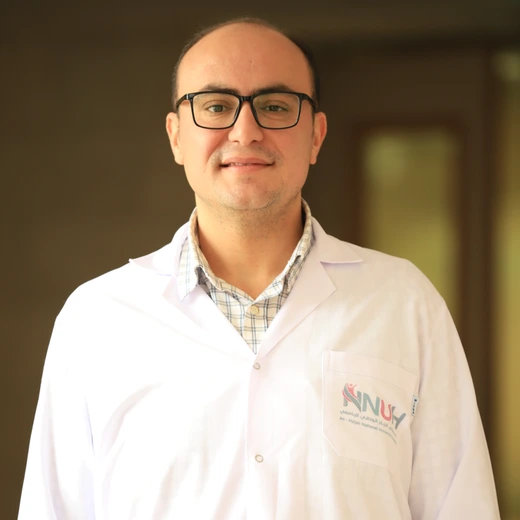
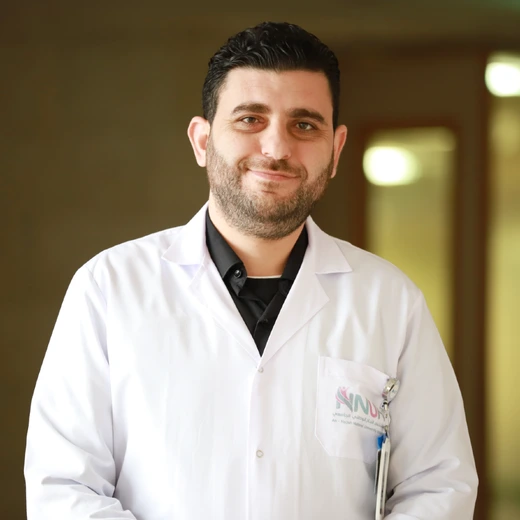
Doctors in this department